What the Yield Curve Tells Us About Economic Expectations
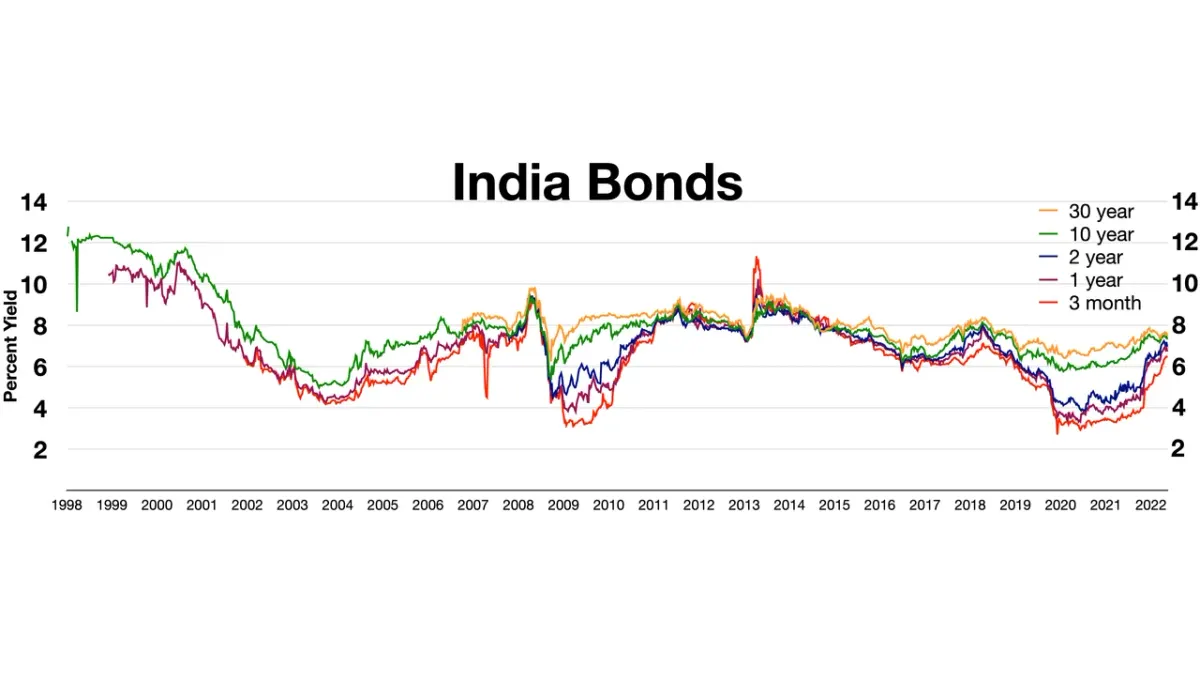
The yield curve is a line linking interest rates across different maturities. Its shape is the market's summary of where rates, inflation and growth are heading.
22 pages carry this tag.

The yield curve is a line linking interest rates across different maturities. Its shape is the market's summary of where rates, inflation and growth are heading.

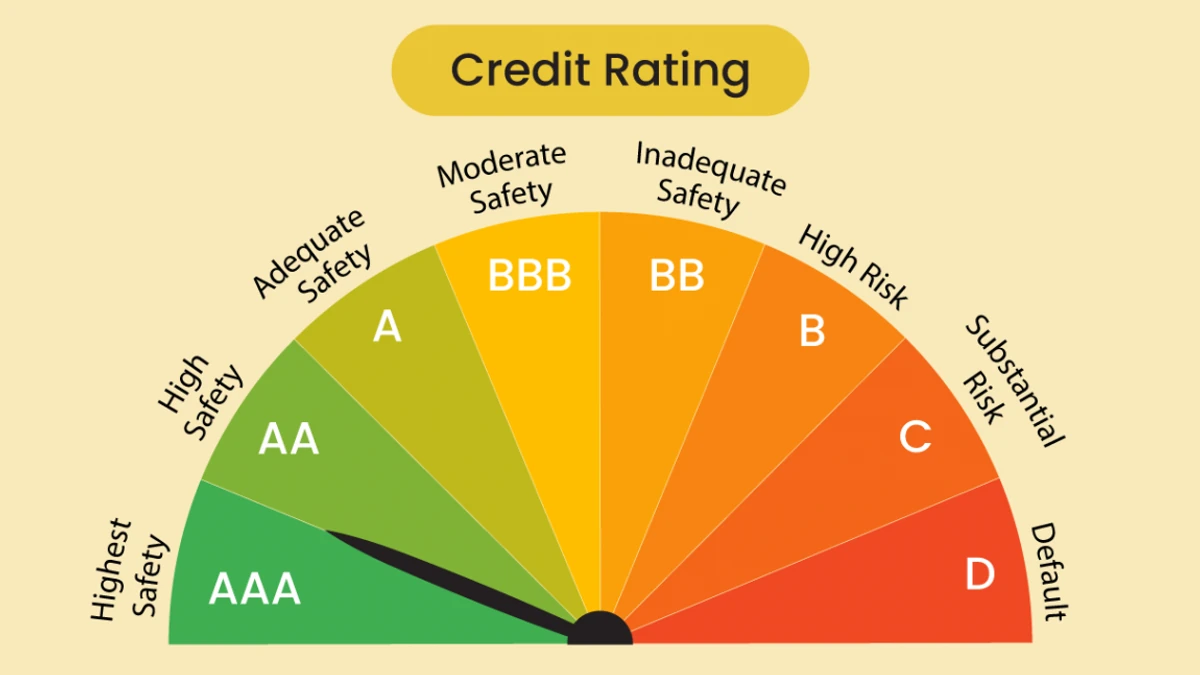
A AAA rating is not a stamp of quality on a company. It is an opinion on one narrow question: will this debt be repaid on time? Knowing the limits of that question is what makes a rating useful.

Green bonds and sustainability-linked bonds both carry a sustainability label, but they work in opposite ways. One controls where the money goes. The other controls what the issuer must achieve.
How to read an Indian credit rating report: the rating scale, outlooks and watches, rationale, key drivers, sensitivities and group support.
Why bond prices and yields move in opposite directions: pricing a bond, current yield, YTM, spreads, premiums and discounts, duration and convexity.
The conditions lenders attach to loans: financial, affirmative and negative covenants, what happens on a breach, cov-lite deals and MAC clauses.
India's debt market from G-secs, SDLs and T-bills to corporate bonds, commercial paper and CDs, and what the shape of the yield curve signals.
A green bond is a normal bond whose money must go to defined green projects. ICMA's principles, SEBI's rules, India's sovereign green bonds and the greenium.
The single discount rate at which a bond's future coupons and principal repayment equal its current market price. It is the total annualised return from holding the bond to maturity.
The extra yield a corporate bond pays over a government bond of the same maturity, compensating for default risk and lower liquidity.
An agency's opinion of a borrower's ability to repay, expressed on a letter scale from AAA (highest safety) down to D (default). In India the main agencies include CRISIL, ICRA, CARE Ratings and India Ratings.
Cash available for debt service divided by scheduled principal and interest payments. It measures whether operations generate enough cash to meet debt obligations as they fall due.
The fixed annual interest a bond pays as a percentage of its face value. It is set at issue and does not change with the market price.
A measure of a bond's price sensitivity to interest-rate changes, expressed in years. Longer duration means bigger price swings when yields move.
A loan on which interest or principal has remained overdue for more than 90 days. Banks must classify such loans separately and provide against expected losses.
A condition attached to a loan or bond that the borrower must maintain, such as a maximum leverage ratio or minimum coverage ratio. Breaching one can trigger penalties or immediate repayment.
The number of days cash stays locked in operations: inventory days plus receivable days minus payable days.
The share of a bank's total deposits held in current and savings accounts. Current accounts pay no interest and savings accounts pay roughly 3 to 4 percent, so a high CASA ratio means the bank funds its loans with cheap money.
The blended average interest a bank pays across all its deposits and borrowings: current accounts at 0 percent, savings at about 3 percent, fixed deposits at about 6.5 percent, and other funding.
Interest a bank earns on its loans and investments minus the interest it pays on deposits and borrowings, expressed as a percentage of its interest-earning assets. It accounts for funds the bank could not lend out.
A bank's capital measured against its risk-weighted assets. It shows how much cushion the bank has to absorb loan losses and how much further lending it can support.
Money a bank sets aside from its income against loans it doubts will be repaid. Provisions are charged to the profit and loss statement before profit is struck.
Related topics: Valuation, DCF, Relative valuation, Cost of capital, Financial statements, Cash flow, Earnings quality, Red flags